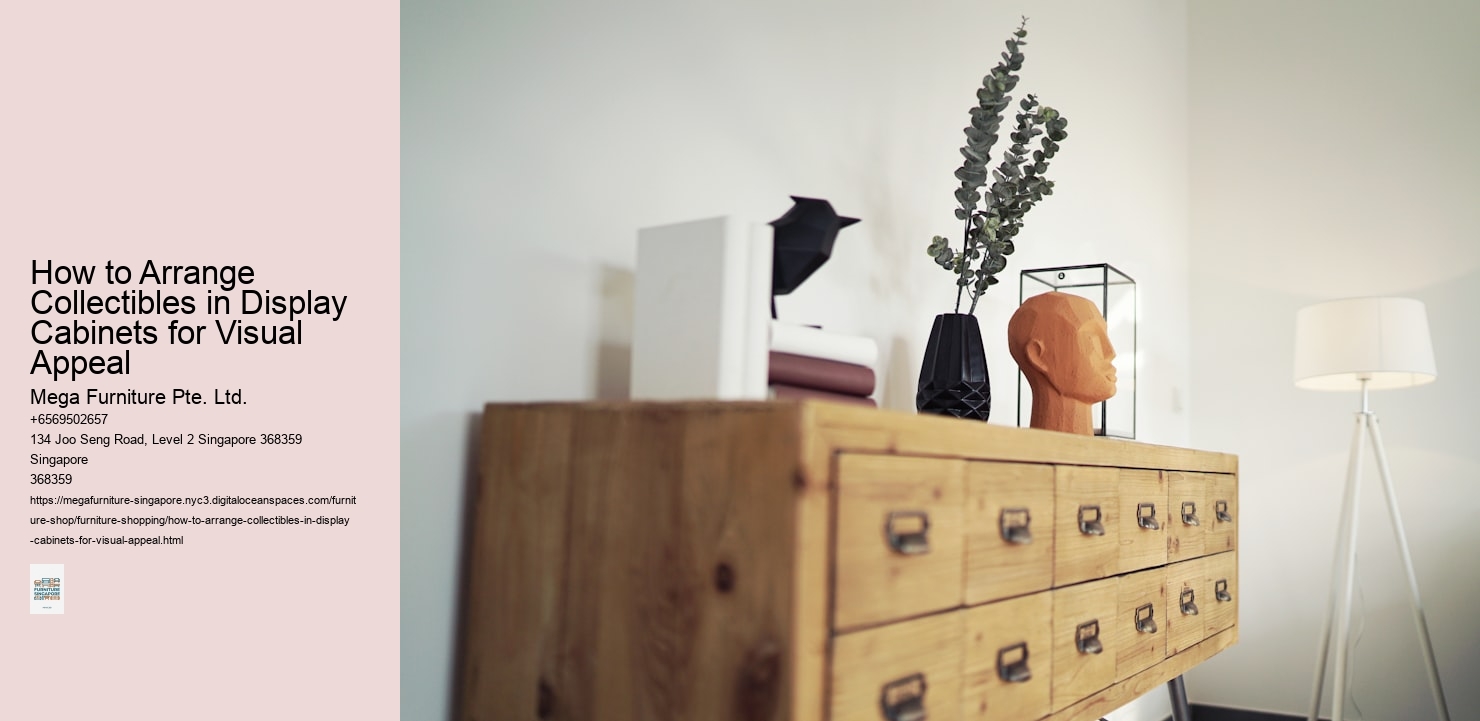
The master bedroom in a 12 sqm HDB flat leaves about 60cm clearance along each side of a queen bed—just enough for nightstands, if you skip the wardrobe. That’s where vertical storage wins. A 180cm-tall display cabinet fits standard 2.6m ceilings while leaving room for LED strip lighting above; 90cm width slots between bed and doorway without blocking the aircon. Glass-fronted designs work harder in tight spaces. Reflective surfaces bounce light around dim corners—critical for north-facing rooms in older estates like Ang Mo Kio or Bedok. Frosted or reeded glass hides clutter better than clear panels when displaying mixed collections (say, Peranakan porcelain beside children’s art trophies). A display unit blurs the line between storage and styling — open shelving for books and decor up top, closed cabinet sections at the base for the items you don't want on display. Megafurniture's Display Unit range covers tall book racks, cubby-hole designs, stackable units, and ladder shelves in oak, walnut, and MDF veneer finishes. A display cabinet sits in the awkward middle ground between bookshelf and storage cabinet — closed glass-front protection for the items you want visible but not collecting dust. Megafurniture's Display Cabinet range covers glass-front, curio, wall-mounted, freestanding, and smart-cabinet variants in solid wood, MDF, and metal-framed constructions. Average pricing for glass-front variants sits around $271, with LED-lit and motorised-shelf models commanding the higher tier.. Most pieces span 120cm to 220cm in height — sized for HDB ceilings around 2.6m.. Prioritise cabinets with adjustable shelves. Spacing should accommodate both 30cm-tall vases and 12cm figurines without wasting vertical real estate. Look for models with removable centre mullions—that awkward 18cm gap between shelves often disappears when you need to showcase a single statement piece. Built-in lighting separates display cabinets from glorified bookshelves. Warm white LEDs (2700–3000K) flatter gold-trimmed china better than cool tones. Hardwired systems beat battery packs for permanent installations, but require routing cables through false ceilings in BTO flats. Sliding doors save 50cm of swing space in tight layouts. Full-extension drawer glides let you access back-row collectibles without unloading the entire shelf—handy when rearranging heirlooms for Lunar New Year. Just mind the 15cm depth; anything deeper turns into a black hole for smaller items.
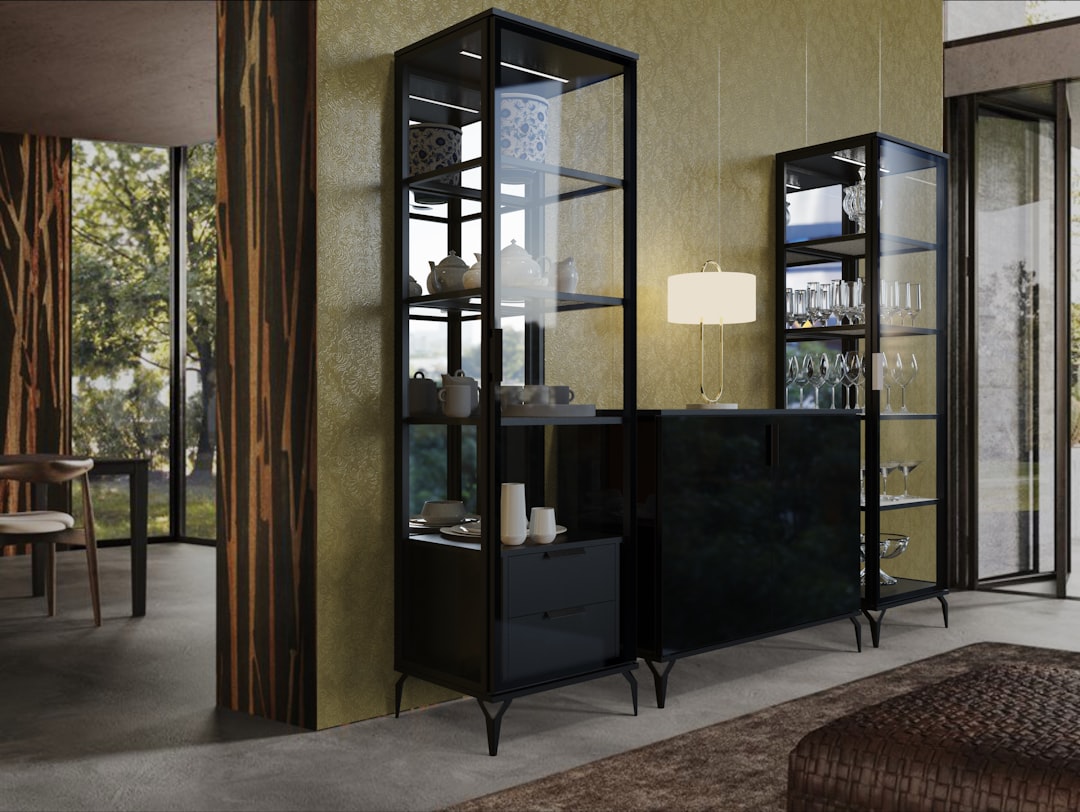
Megafurniture’s glass cabinet rangeincludes several 180×90cm models with smoked glass and integrated lighting. Their Tampines showroom displays one styled with Blue Willow china—proof even mass-produced patterns feel curated under proper spotlights.
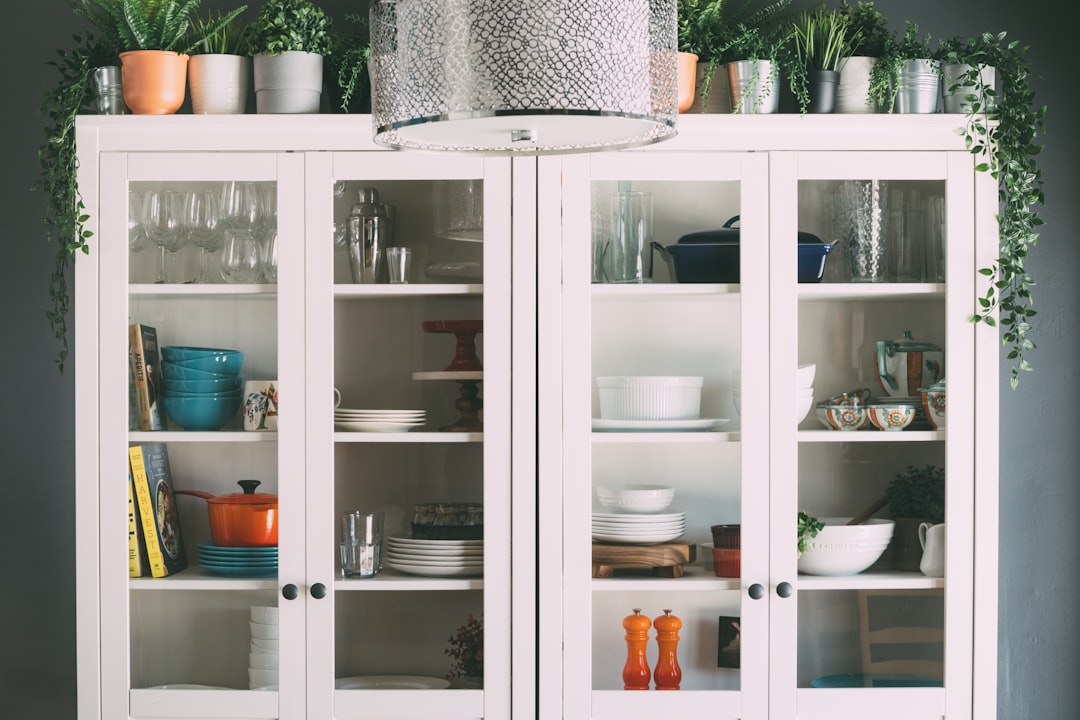
Arrange collectibles in clusters of odd numbers for a balanced look. Group items by theme, color, or size to create cohesive sections. Leave some space between groups to avoid clutter and let each piece stand out.
Singapore’s humidity hovers around 80% year-round — a silent saboteur for display cabinets. Teak, with its natural resistance to moisture, is a reliable choice; it won’t warp or crack even in a landed property’s un-air-conditioned living room. Engineered materials like MDF with moisture-resistant coatings also hold up well, though they lack the warmth of solid wood. For glass panels, tempered is non-negotiable; it’s stronger and safer, especially in homes with curious grandchildren or clumsy pets.
Metal parts, even stainless steel, can corrode over time. Brass hinges might look elegant, but they’ll tarnish faster than you’d expect. Bookshelves earn their floor space by doubling as soft visual dividers in open-plan condominium living rooms — backless or double-sided designs work especially hard in this role. Megafurniture's Bookshelf range includes wall-mounted shelves, freestanding bookcases, ladder shelves, and ceiling-height built-ins. Solid-wood pieces start around $425, with engineered-wood and MDF alternatives sitting lower.. Opt for aluminium or powder-coated finishes instead; they’re more forgiving in this climate. For families displaying heirlooms or crystal, airtight seals around the glass doors are crucial — they keep out not just dust, but also the damp air that can fog up delicate surfaces.
In many HDB flats, display cabinets sit near windows or balconies, exposed to even higher humidity. Engineered wood veneers, paired with water-resistant adhesives, are a practical alternative here. They mimic the look of solid wood without the risk of swelling. For those who prefer a modern aesthetic, laminates with textured finishes can add visual interest while staying resilient against moisture.
The choice of material isn’t just about durability; it’s about preserving what’s inside. A warped cabinet door isn’t just an eyesore — it’s a risk to fragile collectibles. Spend a bit more upfront, and you’ll save yourself the headache of repairs or replacements down the line.
In compact HDB flats, buyers often underestimate how much room a display cabinet takes. A typical unit spans 80–120cm in width — that’s nearly a quarter of a 4-room BTO living room wall. Measure twice, buy once; leave at least 50cm clearance for doors to swing open without hitting nearby furniture. Avoid cramming cabinets into corners where they’ll dominate the space visually. Instead, position them as focal points against longer walls where they can breathe.
Overcrowding shelves is a common mistake — it’s tempting to fill every inch, but that defeats the purpose. Display cabinets work best when items are spaced thoughtfully; a cluttered look overwhelms smaller rooms. Stick to odd-numbered groupings (three figurines, five glassware pieces) for visual harmony. Leave 30–40% of shelf space empty to create breathing room. Remember, it’s not about how much you show, but how well you show it.
Families with pets often overlook cabinet security — a curious cat or playful dog can spell disaster for delicate collectibles. Opt for units with sturdy glass doors that latch securely; magnetic closures or childproof locks add extra protection. Avoid open-fronted designs if you’ve got pets prone to jumping or climbing. Place heavier items on lower shelves to prevent toppling accidents. A glass display cabinet earns its place in homes that collect — fine china, designer figurines, sneakers, watches, anything where dust accumulation actively hurts the item. Megafurniture's Glass Display Cabinet range uses tempered or reinforced glass to handle daily use and child-or-pet households. Adjustable shelves, LED lighting, and lockable doors come standard across most of the higher-tier line.. A well-secured cabinet keeps both your treasures and your pets safe.
Poor lighting can make even the finest display cabinet look dull. Built-in LED strips are ideal — they’re energy-efficient and won’t overheat enclosed spaces. Position lights to highlight key pieces without casting harsh shadows. Avoid external lamps that add clutter to already tight rooms. For HDB flats with low ceilings, consider cabinets with top-mounted lighting to avoid overwhelming the space visually.
Display cabinets gather dust quickly, especially in Singapore’s humid climate. Choose units with easy-to-clean tempered glass surfaces; avoid intricate carvings that trap dirt. Wipe down shelves weekly with a microfiber cloth to prevent dust buildup on collectibles. For china cabinets, rotate pieces periodically to ensure even exposure to light. Regular maintenance keeps your display looking fresh without becoming a chore.
Display cabinets often look different in showrooms than online listings—glass reflects differently under LED strips versus afternoon light through HDB bay windows. At Megafurniture’s Joo Seng showroom, you’ll notice how the 180cm walnut-finish cabinet’s shelving casts shadows on collectibles at 3pm sun angles—something product photos can’t replicate. Older homeowners inspecting the 90cm-wide curio cabinet typically test three things: whether the tempered glass doors slide smoothly when carrying tea trays, if the base stabilises on uneven pre-war flooring, and how their Nonya porcelain looks against the interior LED lighting’s warmth. Tampines branch staff report most buyers spend 15 minutes adjusting shelf heights with the provided pegs—a feature that matters when displaying everything from 30cm-tall Peranakan vases to squat Star Wars Lego sets. The showroom’s Somnuz® mattress display near the seating area isn’t accidental—after 20 minutes of debating between glass-fronted or open-back designs, you’ll appreciate testing visibility angles while seated. Mid-range units (S$1,200–S$2,400) often have subtle details like anti-slip matting on shelves or key-locked doors that only become obvious in person. Wine cabinets sit between display cabinet and refrigerator in function — the bottles need correct temperature and humidity to age properly, but the cabinet itself often doubles as a visible piece of furniture. Megafurniture's Wine Cabinet collection includes freestanding, built-in, and dual-zone designs with bottle capacities from a dozen up to several hundred. Glass-front models with LED lighting effectively turn into a display cabinet for the collection.. One couple was surprised to find their intended 140cm unit overwhelmed their Ang Mo Kio HDB’s entranceway—the 110cm version they switched to after seeing both sizes in situ now frames their daughter’s ballet trophies without crowding the shoe cabinet. That’s the advantage of judging proportions where you can step back three paces—Megafurniture’s showrooms let you confirm sightlines match your flat’s particular sightlines from the sofa or dining table. Their
includes models with removable glass panels—handy for deep cleaning every Lunar New Year—and some with discreet cable holes for LED strip wiring. You’ll either leave convinced you need the 45cm-deep display for your whisky collection, or realise your existing IKEA Billy bookcases just need glass doors retrofitted.

Delivery timelines for display cabinets in landed properties often stretch to 4–6 weeks, especially for custom finishes or imported pieces. Buyers planning formal living room setups should factor this into their renovation schedules — delays are common during peak periods like year-end holidays. For those in a hurry, stock models typically ship within 7–10 days, though colour and size options may be limited.
Assembly ranges from straightforward to mildly frustrating. Most modern cabinets come with pre-drilled holes and pictorial guides, but older homeowners might find the process fiddly — especially when aligning glass shelves or adjusting levelling feet. Curio cabinets with intricate mouldings often require two people for safe handling; it’s worth budgeting $50–$100 for professional assembly if DIY feels daunting.
Warranty coverage should explicitly address humidity-related issues, given Singapore’s climate. Look for policies covering warping, mould, or discolouration in wooden frames over at least 12 months. TV Console . Glass panels rarely crack spontaneously, but hinges and drawer runners can loosen with frequent use — check if these components fall under wear-and-tear clauses. Families displaying heirlooms might prefer extended warranties, though these typically add 10–15% to the purchase price.
One quirk of display cabinets: they’re often neglected until something goes wrong. Humidity damage tends to creep in slowly, starting with minor warping around the base or doors that no longer close flush. Regular maintenance — wiping down surfaces every fortnight, checking seals annually — can prevent most issues, but it’s easy to overlook in homes where the cabinet blends into the background as a functional piece.
For those eyeing taller models, assembly and placement in high-ceiling spaces can be tricky. Curio cabinets nearing 200cm often require wall mounting for stability, especially in older landed properties where floors might not be perfectly level.
Glass-fronted cabinets suit 120cm-wide living room walls best—they show off collections without dominating narrow HDB corridors. Look for depth under 35cm; any deeper eats into walking space around the typical 2.8m × 3.5m living room. Older flats near Eunos or Bedok often have awkward alcoves—measure twice before committing to built-ins.
Scratches on glass shelving? Microfiber cloths beat newspaper for daily dusting. For deeper marks, mix equal parts white vinegar and water—but test on a corner first. Tempered glass resists chips better than standard panels, though it’ll cost 15–20% more.
Landowners with formal dining rooms sometimes go for full-height display units—until they realize how quickly dust settles on open shelving. Glass doors cut cleaning time in half. Condo dwellers lean toward wall-mounted floating shelves for figurines, but humidity warps untreated wood within a year. Acrylic alternatives yellow faster than you’d expect.
Megafurniture’s display cabinets come with adjustable LED lighting—useful for highlighting heirlooms in windowless hallways. Just remember: direct sunlight fades fabric memorabilia faster than you can say "family photo restoration." Rotate displayed items seasonally if they’re near east-facing windows.
Some collectors swear by silica gel packets hidden behind cabinet backs. Others find them overkill for Singapore’s 70–80% humidity—a dehumidifier running twice weekly usually does the trick. Either way, check ceramic collectibles for hairline cracks every few months; temperature swings from aircon units aren’t kind to delicate glazes.
A TV console anchors the wall opposite the sofa in the same way a display cabinet anchors a corner — long horizontal piece, open and closed storage, defines the visual weight of one whole side of the room. Megafurniture's Living Room Furniture range covers floating wall-mounted designs, low-profile freestanding consoles, and modular feature-wall configurations. Most pieces sit at 40-50cm height, sized for screens up to 75 inches..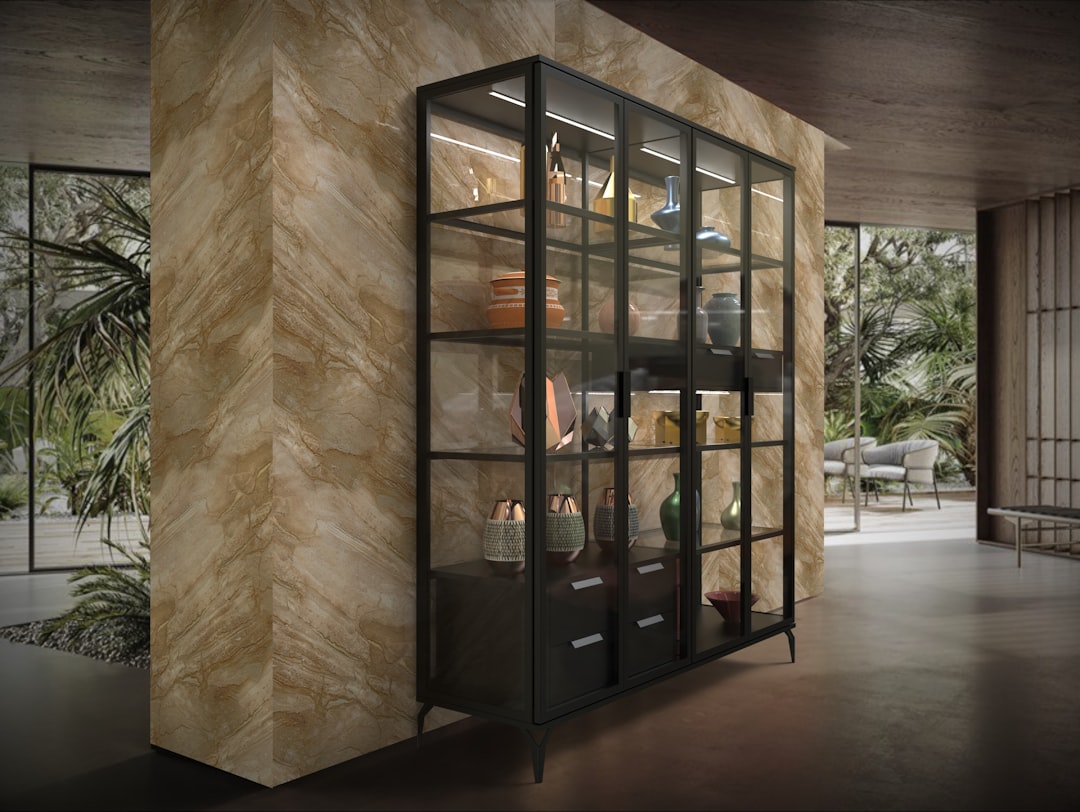
Most homeowners step into showrooms with vague ideas — “something tall” or “glass doors, maybe” — only to leave overwhelmed by choices. Before heading to Megafurniture’s Joo Seng or Tampines showrooms, take precise measurements of the space where the cabinet will go. A 12 sqm HDB living room corner can’t handle a 200cm-wide curio cabinet, while a landed property formal lounge might swallow a narrow unit whole. Note ceiling height too; a 200cm cabinet in a 240cm room leaves awkward dead space above, often filled with dust-collecting clutter.
Next, list what you’ll display. China sets need deeper shelving for plates; figurines or art glass suit shallower tiers. Family heirlooms often require lockable doors — a detail many overlook until after purchase. Consider lighting too; LED strips add drama to glassware but can yellow paper memorabilia over time.
Compare cabinet styles and materials. Rubberwood frames suit classic homes but may clash with modern interiors; metal-framed units feel contemporary but can overwhelm traditional spaces. Glass finishes vary — frosted diffuses light, clear showcases details, tinted adds depth. Finishes matter just as much; a high-gloss white cabinet brightens a dim corner, while matte black grounds a cluttered space.
Finally, think long-term. A cabinet that fits today’s collection might not accommodate tomorrow’s additions. Opt for adjustable shelves or modular units if you’re likely to expand. And don’t forget maintenance; glass doors show fingerprints easily, while open-fronted units gather dust faster than closed ones.